



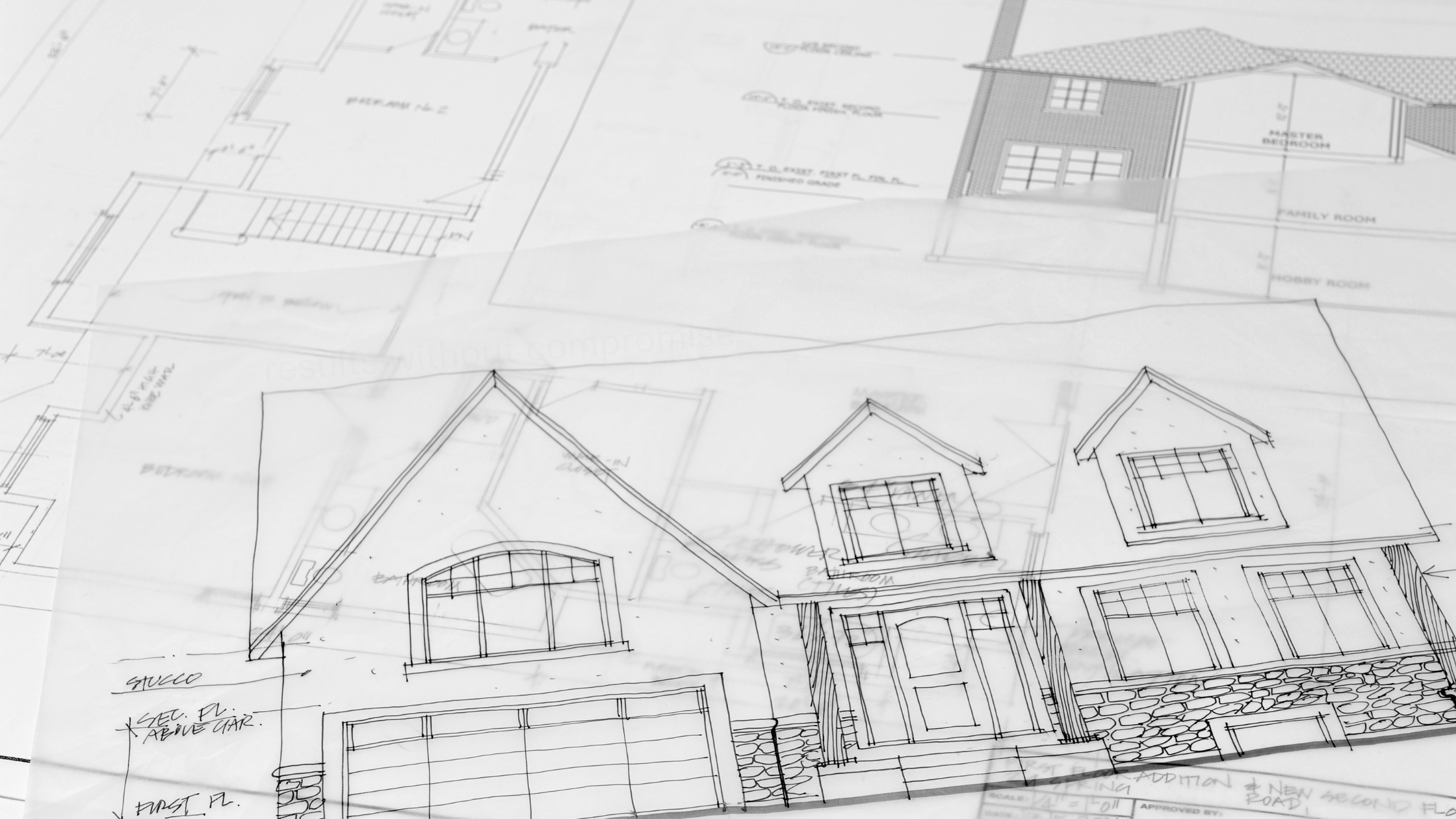
Every flooring project starts with a planning phase that determines how materials will be installed throughout the space. This stage is focused on layout, direction, and how different areas of the home connect. Rather than relying on adjustments during installation, a structured plan helps guide the entire process from the beginning. This project reflects how flooring is mapped out before any materials are placed, allowing for a more consistent and controlled result.
Planning involves more than selecting a material. It includes identifying transition points, determining board or tile direction, and aligning the layout with the structure of the home. These decisions influence how the flooring will feel once installed, affecting both appearance and flow between spaces. Taking the time to establish a clear plan helps reduce inconsistencies and supports a more cohesive final result.
The direction of flooring plays a significant role in how a space is experienced. Running boards or tiles in alignment with the structure of the home can help create a more continuous appearance, especially in open or connected layouts. Changes in direction may be necessary in certain areas, but these must be planned carefully to avoid disrupting the overall flow.
Identifying these directional choices during the planning phase allows the installation to move forward with clarity. Instead of making decisions on the fly, the layout is already defined, ensuring that each section of the flooring aligns with the rest of the project. This approach helps maintain consistency from one room to the next.
Transitions between rooms and different flooring types are one of the most important aspects of layout planning. Doorways, hallways, and connecting spaces require a clear strategy to ensure that flooring changes are handled cleanly. Without proper planning, these transitions can appear uneven or disconnected from the rest of the installation.
This project reflects how transitions are mapped out in advance, allowing for smoother connections between spaces. Whether the flooring continues through multiple rooms or changes between materials, these points are identified early to support a more polished final result. Proper transition planning contributes to both the visual and structural quality of the installation.
Coordinating materials across a project is another key part of the planning phase. This includes determining where different materials will be used and how they will interact within the space. Some projects may involve a single flooring type throughout, while others require a combination of materials based on the function of each area.
Mapping out these decisions before installation begins helps ensure that materials are used effectively. It also allows for better alignment between design goals and practical requirements. This level of coordination supports a more organized process and reduces the likelihood of changes during installation.
Planning also includes preparing the space for installation by identifying any conditions that need to be addressed beforehand. Subfloor leveling, moisture considerations, and structural adjustments all play a role in how the flooring will perform. Addressing these factors during the planning phase helps create a stable foundation for the installation.
By identifying these requirements early, the installation process becomes more efficient and predictable. This reduces the risk of delays and helps ensure that the flooring is installed correctly the first time. Preparation is a critical step that supports both the appearance and durability of the finished surface.
Flooring projects that begin with a clear plan tend to produce more consistent results. By mapping out layout, transitions, and material use in advance, the installation process becomes more controlled and aligned with the original vision. This structured approach helps ensure that each part of the project connects properly, resulting in a finished floor that feels complete and well executed.
This project highlights the importance of planning as part of the overall flooring process. It reinforces that quality results are not only defined by the materials used, but also by the preparation and decisions made before installation begins. The outcome is a flooring system that supports both the structure of the space and the expectations of the project.
October 31, 2025