

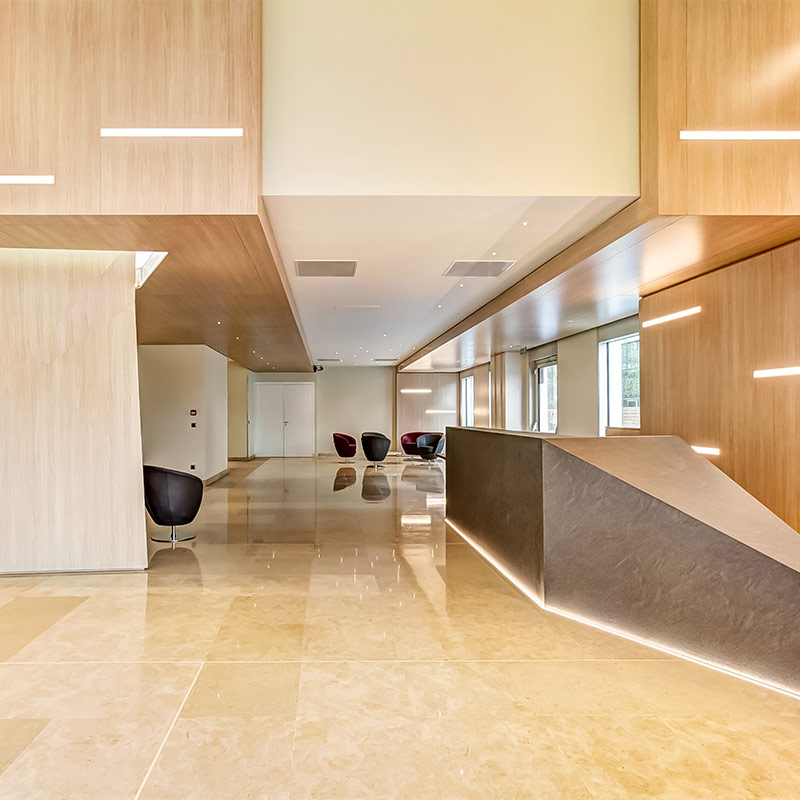
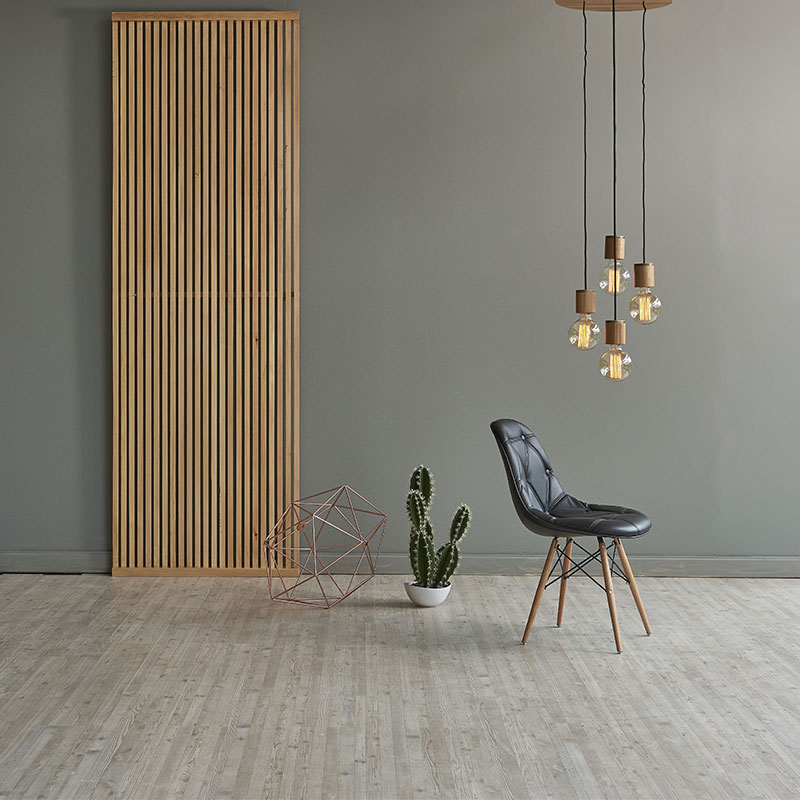


Mosaic provides a range of tile and stone materials that are used across both flooring and surface applications. These materials are selected for their ability to combine durability with design flexibility, making them suitable for a wide range of environments. Unlike more uniform flooring options, tile and stone surfaces allow for variation in pattern, size, and texture, giving each installation a more tailored appearance. This page reflects how Mosaic products are incorporated into broader projects where both performance and visual detail are important.
While not every Mosaic installation is represented through a single project showcase, the materials are used across different types of spaces where tile and stone provide clear advantages. Kitchens, bathrooms, entryways, and feature areas all benefit from surfaces that can handle moisture and regular use. These applications highlight how Mosaic products can be used to support both functional and design-driven goals within a space.
Mosaic offers materials that include a variety of tile and stone options, allowing for flexibility in both flooring and wall applications. Porcelain and ceramic tiles provide durable, low-maintenance surfaces, while natural stone options introduce additional texture and variation. This range makes it possible to match materials to the specific needs of the project, whether the focus is on durability, appearance, or both.
Each material type offers different characteristics that influence how it performs once installed. Tile surfaces tend to provide consistent durability and moisture resistance, while stone materials add depth and variation that can define the overall look of a space. The ability to work across these options allows for a more customized approach to surface selection.
One of the key advantages of Mosaic products is the ability to create detailed layouts through pattern and tile configuration. Smaller tile formats can be arranged into intricate patterns, while larger tiles can create a more continuous and structured surface. This flexibility allows for both subtle and more defined design elements depending on the goals of the project.
Pattern and layout choices also influence how a space feels once completed. Directional layouts can guide movement, while geometric patterns can add visual interest to specific areas. These options make it possible to use tile not just as a surface, but as a design feature that contributes to the overall structure of the space.
Mosaic tile and stone products are designed to perform under a range of conditions, making them suitable for both residential and commercial applications. Durability is a key factor, especially in areas that experience moisture or consistent use. Tile surfaces resist wear and maintain their structure over time, while stone materials provide a strong and stable surface when properly installed.
These characteristics make Mosaic a practical option for spaces where both performance and appearance are important. Whether used in high-traffic areas or as part of a design-focused installation, the materials are selected to support long-term use while maintaining a consistent look.
Installing tile and stone requires careful preparation to ensure that the materials perform as intended. Subfloor leveling, proper underlayment, and accurate spacing all contribute to how well the surface holds up over time. Mosaic products are used within installations where these steps are handled with precision, supporting both durability and a refined finished appearance.
Grout selection, alignment, and finishing details also play a role in the final result. Clean lines and consistent spacing help create a more polished surface, especially in projects where pattern and layout are central to the design. These elements contribute to a finished installation that feels structured and well executed.
This page presents Mosaic as part of a broader flooring and surface capability, highlighting how tile and stone materials fit into different types of projects. It reflects a material option that is selected based on durability, design flexibility, and overall project requirements. This type of showcase helps communicate both the strengths of the materials and how they can be applied across real environments.
For homeowners and clients reviewing surface options, this provides additional clarity around how tile and stone can be used within their space. It reinforces that material selection is guided by both function and design, supported by products that offer consistent quality. Mosaic remains part of that mix, contributing to flooring and surface solutions that are built to perform and designed to fit the space.
January 15, 2026
Mosaic tile is used to create structured patterns and detailed surface designs across floors, walls, and feature areas. Smaller tile formats allow for more flexibility in layout, making it possible to introduce texture and visual movement within a space. These installations require careful alignment to maintain consistency across the pattern. Mosaic applications help bring a more refined and customized finish to tile surfaces.