

Patterned hardwood flooring represents a more detailed approach to wood floor installation, where layout plays a central role in the final result. Instead of a standard straight installation, boards are arranged in structured patterns that create a more defined visual effect. These patterns require careful planning and precise execution to ensure consistency across the space. This project reflects how hardwood flooring can be used to introduce both structure and variation within an interior.
Patterned layouts add a level of detail that changes how the flooring interacts with the rest of the space. The arrangement of boards influences movement, visual balance, and overall design direction. This approach turns the flooring into a more prominent element of the interior, while still maintaining the durability and performance expected from hardwood materials.
Creating a patterned hardwood floor begins with detailed layout planning. The pattern must be mapped out in advance to ensure that it aligns correctly across the entire space. This includes determining starting points, spacing, and how the pattern will interact with walls, doorways, and other structural elements.
Planning is critical in maintaining consistency, especially in larger areas where the pattern must repeat accurately. Any variation can disrupt the overall design, making precision an essential part of the process. A structured layout ensures that the pattern remains consistent from one section of the room to the next.
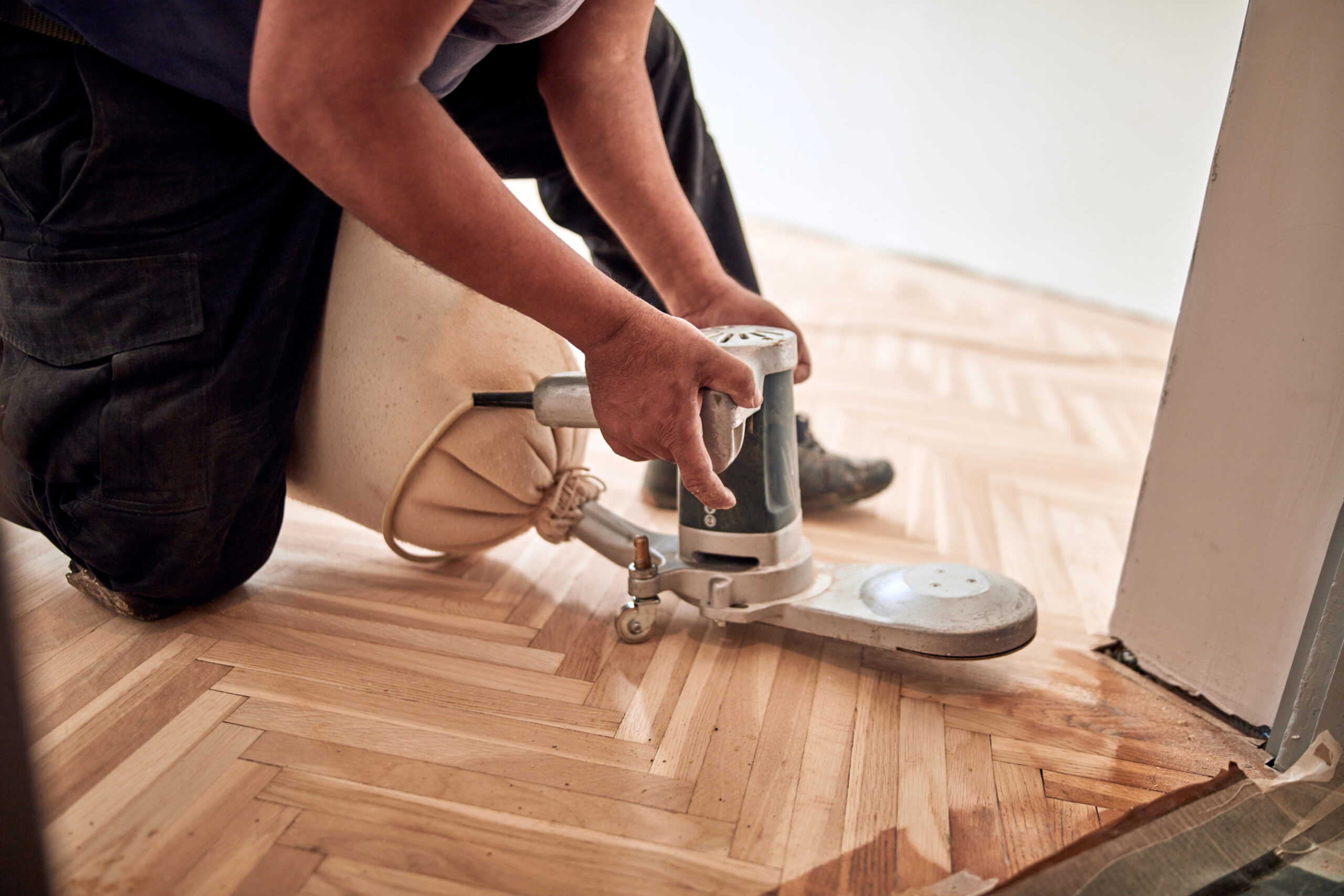
Installing patterned hardwood flooring requires a higher level of precision compared to standard installations. Each board must be placed accurately to maintain the integrity of the pattern. Alignment, spacing, and positioning all contribute to the final result, making attention to detail a key part of the process.
Subfloor preparation also plays an important role, as a stable and level base supports accurate installation. Any inconsistencies in the base can affect how the pattern appears once completed. Proper preparation and careful execution help ensure that the pattern remains clean and consistent throughout the space.
The choice of hardwood material influences how the pattern is perceived once installed. Grain variation, color tone, and finish all affect how the design stands out within the space. Selecting the right material helps reinforce the pattern without overwhelming the overall interior.
Consistency in material is especially important in patterned installations, as variation can impact how the design is read visually. Coordinating these elements ensures that the pattern remains defined while still aligning with the broader design of the space.
Patterned hardwood flooring must be integrated carefully with the rest of the interior to maintain balance. The flooring often becomes a focal point, so other design elements must align with its structure. This includes coordinating with walls, furniture placement, and lighting to ensure that the pattern complements the space.
Transitions to adjacent areas must also be planned to maintain continuity. Whether the flooring continues into other rooms or changes to a different material, these transitions must be handled in a way that supports the overall layout. This helps create a cohesive interior that feels intentional and complete.
This project highlights how patterned hardwood flooring can elevate a space through careful planning and execution. The combination of structured layout, precise installation, and coordinated materials results in a flooring system that stands out while maintaining long-term performance. Each element contributes to a finished result that reflects both craftsmanship and attention to detail.
Patterned hardwood installations require a higher level of coordination compared to standard flooring, but the result offers a distinct and structured appearance. This approach demonstrates how hardwood flooring can be adapted to create more customized and visually defined interiors.
February 27, 2026