
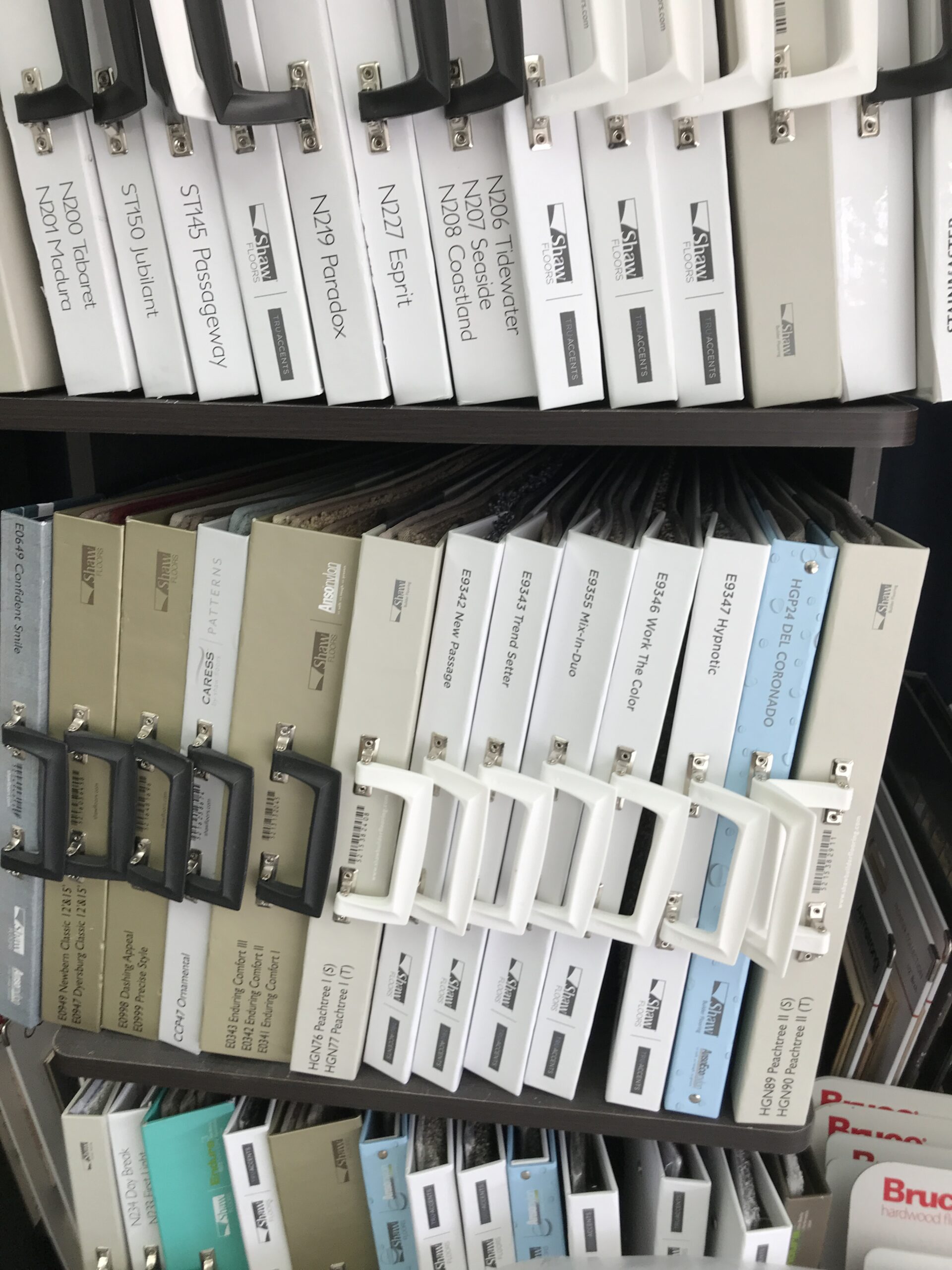
Every interior comes with different needs, which is why material selection matters so much. Flooring types, finishes, colors, and textures all affect how a space performs and how it feels once the work is complete. Having a wider range of options makes it easier to match the right product to the goals of the property, whether the focus is durability, comfort, design, or maintenance. Strong choices at the beginning of a project help create a better finished result overall.
Material selection is not just about appearance, but also about how the space will be used over time. Different areas require different performance characteristics, and choosing the right material helps support those conditions. This approach ensures that the flooring not only looks consistent, but also performs reliably across the entire space.
Flooring options vary widely depending on the needs of the project. Hardwood flooring offers a durable and long-term solution with a natural appearance, while tile provides moisture resistance and structural strength in areas like kitchens and bathrooms. Carpet introduces comfort and sound control, making it well suited for bedrooms and living areas. Luxury vinyl and laminate provide additional flexibility, combining durability with a wide range of design options.
Each of these materials serves a different purpose, and selecting between them depends on how the space will be used. Understanding these differences helps create a more balanced approach to flooring, where each area is supported by the most appropriate material. This allows the entire project to function as a cohesive system rather than a collection of separate decisions.
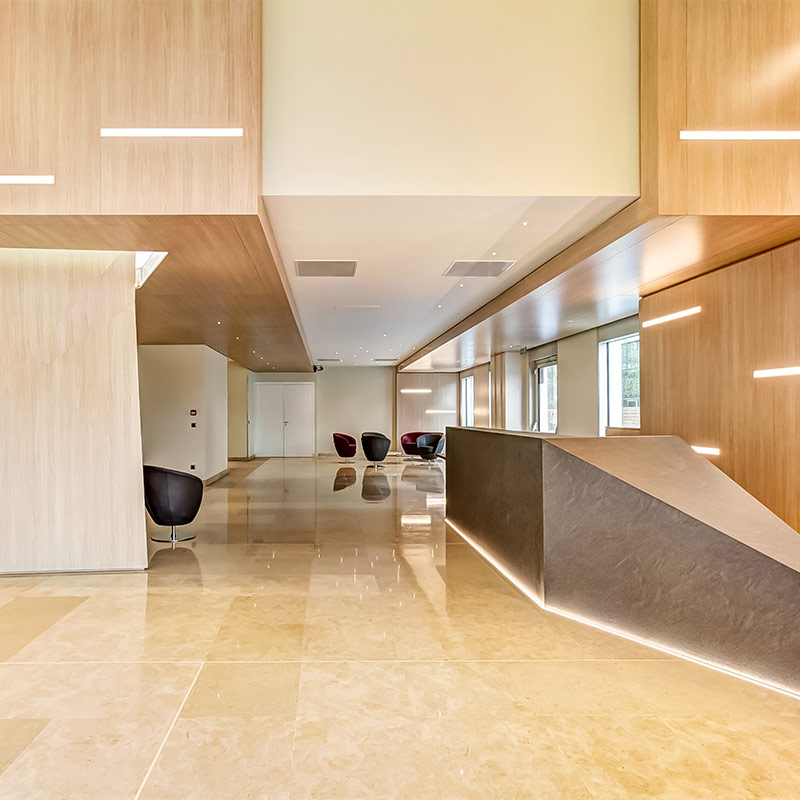
Beyond the type of material, finish and color choices play a major role in shaping the overall appearance of the interior. Lighter tones can create a more open and consistent feel, while darker finishes introduce contrast and depth. Texture and surface variation also contribute to how the flooring interacts with lighting and surrounding elements.
These choices help define the atmosphere of the space, influencing how it is experienced once completed. Aligning finish and color with the overall design direction ensures that the flooring supports the broader goals of the project. This level of coordination helps maintain visual consistency across different areas of the home.
Material selection requires balancing performance with design considerations. Some spaces may require more durable surfaces that can handle consistent use, while others prioritize comfort or visual appeal. Finding the right balance ensures that the flooring meets both functional and aesthetic requirements.
This approach helps prevent compromises that could affect the long-term performance of the space. By considering both factors during the selection process, it becomes possible to create a flooring system that performs well while still supporting the overall design. This balance is a key part of achieving a successful result.
Projects often involve multiple flooring types across different areas, making coordination an important part of the process. Transitions between materials must be planned carefully to maintain a consistent flow between spaces. This includes aligning colors, textures, and finishes so that changes feel intentional rather than abrupt.
Coordinating materials helps create a more unified interior, even when different flooring types are used. This approach ensures that each part of the project connects naturally with the rest, supporting a cohesive final result. Proper planning at this stage reduces the need for adjustments later in the process.
Choosing the right materials at the beginning of a project has a direct impact on how the space performs over time. Durable materials, properly matched to the conditions of the space, help maintain both structure and appearance. This reduces the need for future adjustments and supports a more stable finished result.
This page highlights the importance of material selection as part of the overall flooring process. It reflects how a wide range of options can be used to create a tailored solution for each project. The result is a space that feels complete, supported by materials chosen to meet both immediate and long-term needs.
January 4, 2026